
“It must be useful.
It must work dependably.
It must be beautiful.
It must last.
It must be the best of its kind.”
— Alfred Dunhill
A Champion of Convenience (1914–1926)
The story of dunhill lighters begins in 1914, when dunhill introduced its first model, the Ednite, created specifically for soldiers going into World War I. That early need for utility and efficiency became a design philosophy of dunhill that remains today.

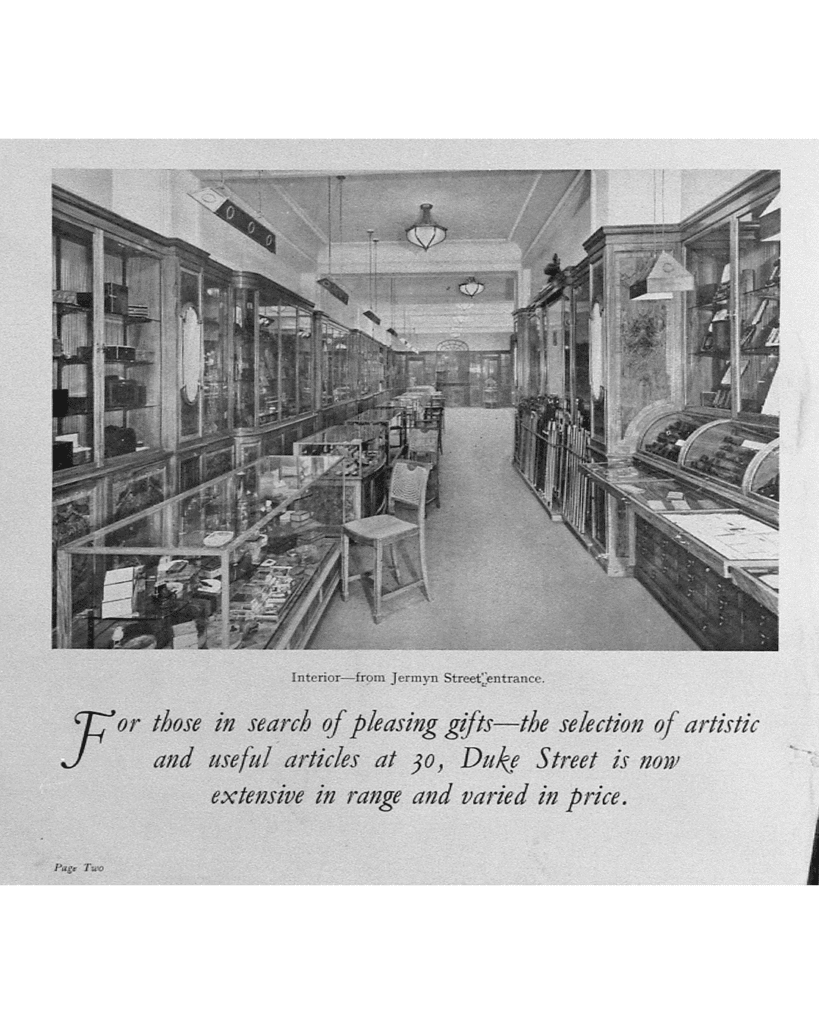
Five years after the Ednite, English engineers Wise and Greenwood moved the mechanics forward with their lift-arm, horizontal wheel mechanism — a step toward the one-handed ignition that would come to define dunhill.
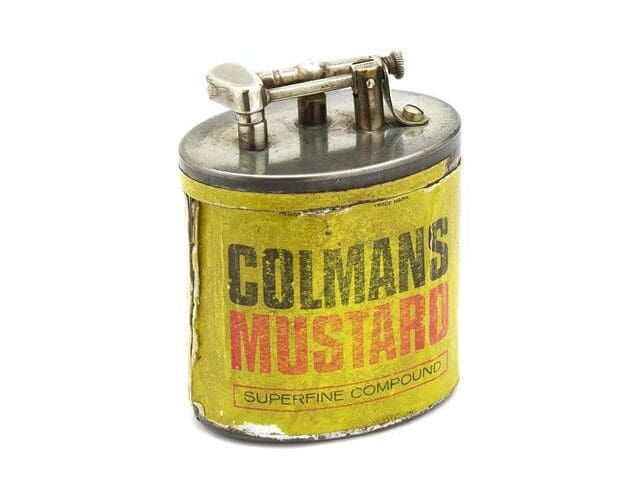
Greenwood, a mechanical genius, had an idea while tinkering in his kitchen with a Colman’s mustard tin and imagined a flint barrel that could be placed horizontally.
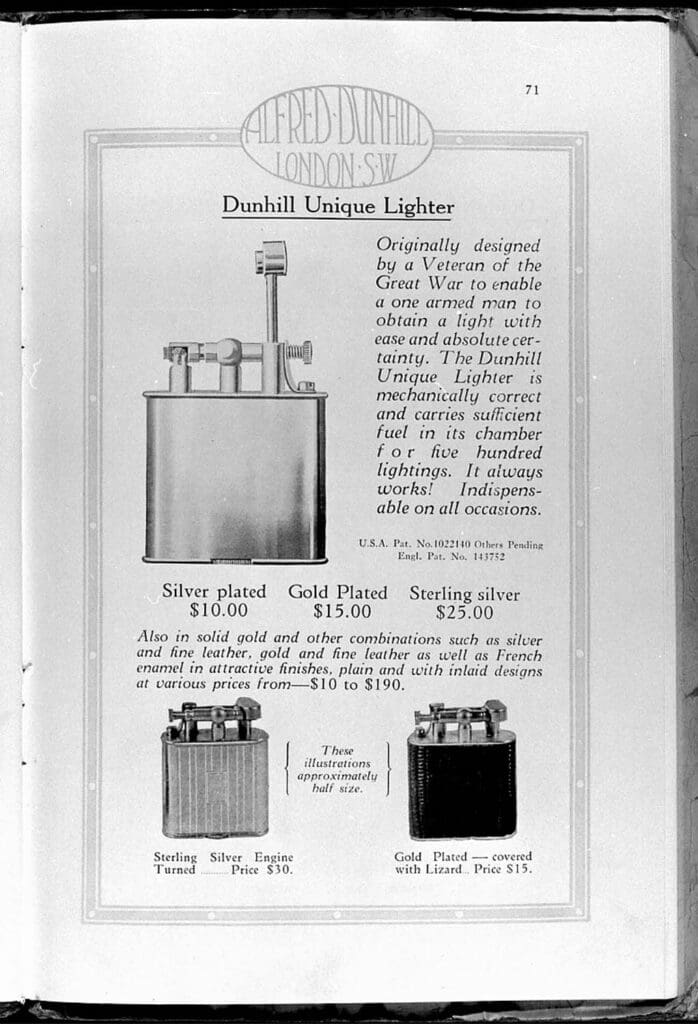
Wise was a finance guy with a knack for entrepreneurship. Together, he and Greenwood brought the design to life. Their partnership resulted in dunhill launching the “Unique” lighter in 1926, the first lighter designed for one-handed use. This groundbreaking innovation made dunhill stand out.
Distinguished Patrons & Cultural Icons (1930s–1940s)
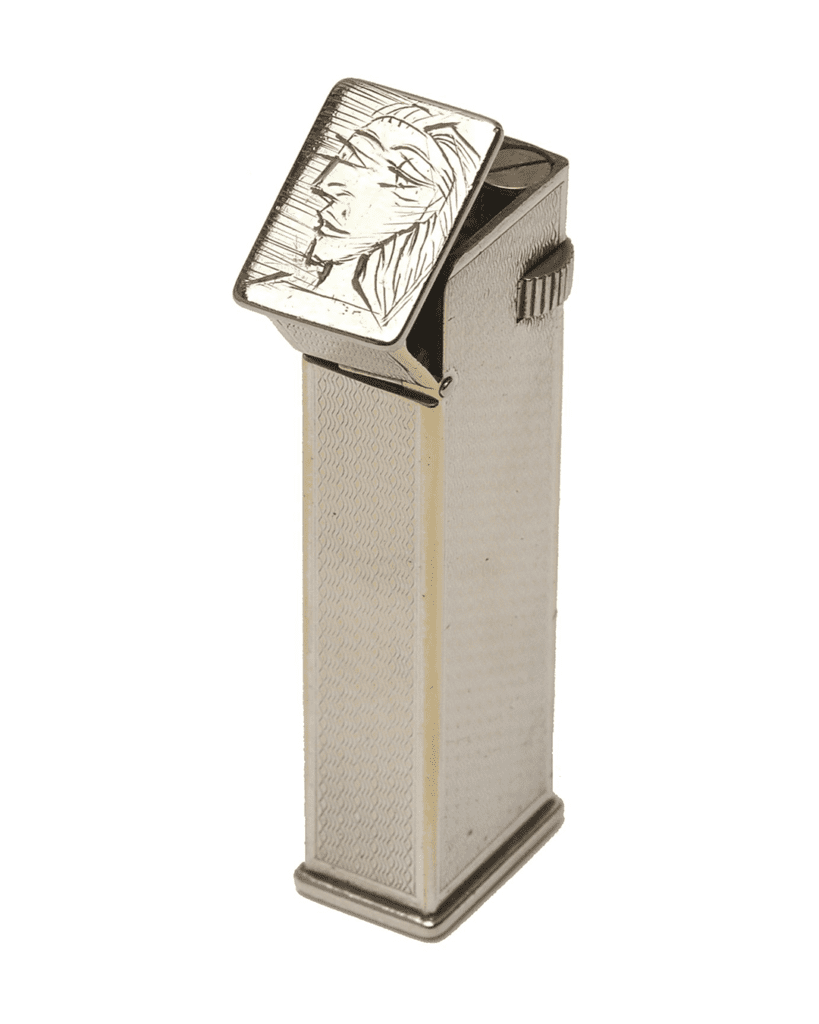
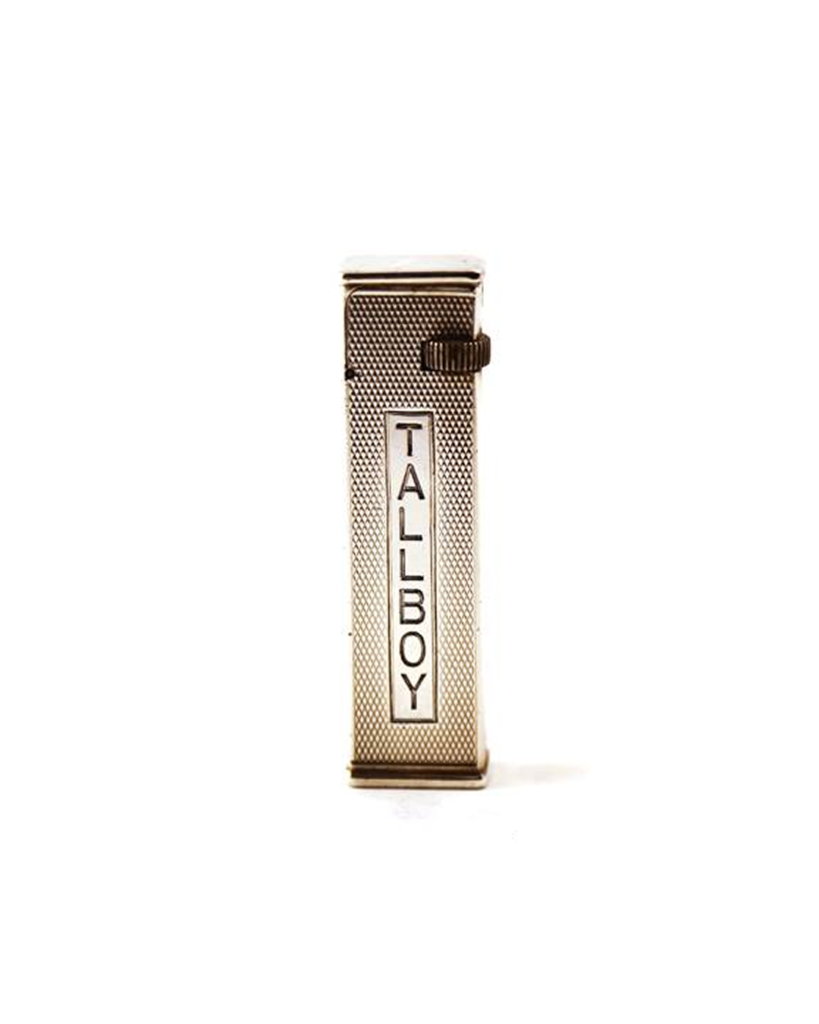
Throughout the 1930s, the Unique became a fixture among the notable. In 1936, Pablo Picasso famously gifted a tallboy lighter engraved with a portrait of his mistress Dora Maar.
Fuel Meets Form: The Aquarium (1950)
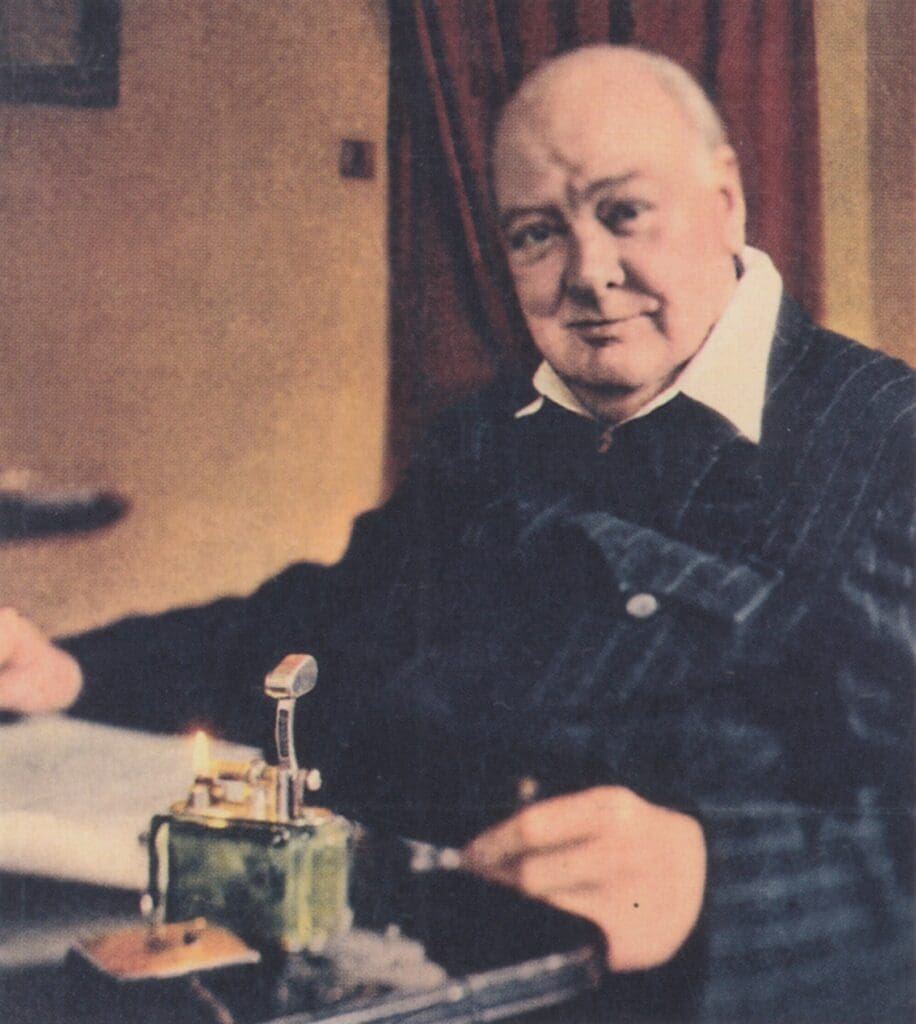
During the war years, Winston Churchill was frequently seen with dunhill accessories, storing cigars in the House’s cases and using its lighters through the London air raids. These moments anchored dunhill in history.
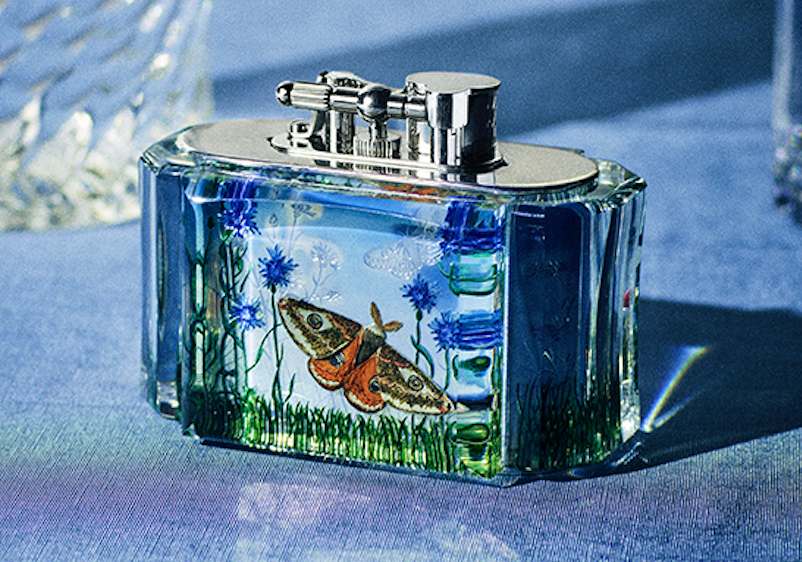
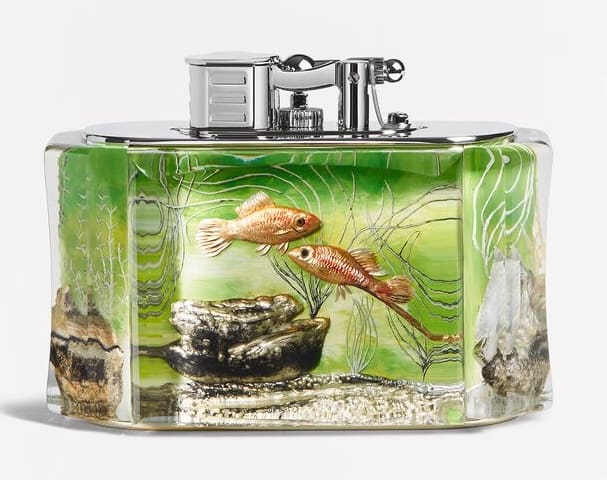
By 1950, the House embraced artistry alongside engineering. The Aquarium table lighter, conceived by British craftsman Ben Shillingford, was hand-carved and reverse-painted on acrylic panels to depict vivid underwater and nature scenes.
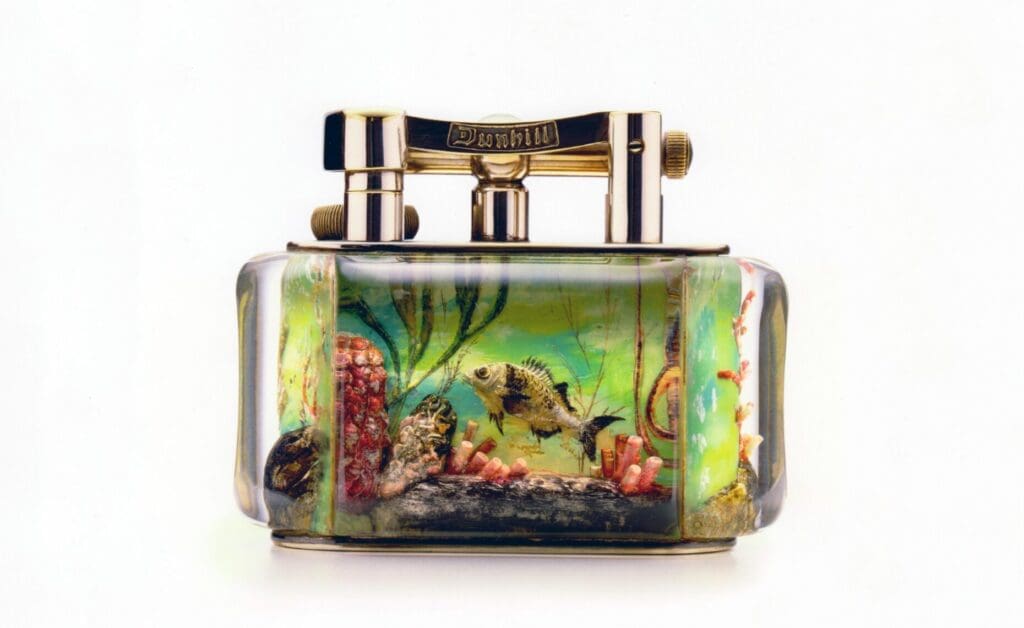
Each Aquarium table lighter was unique. Its luminous, refractive surfaces evoked water, transforming a functional object into a work of art. Churchill himself owned several, underscoring its importance with collectors and connoisseurs.
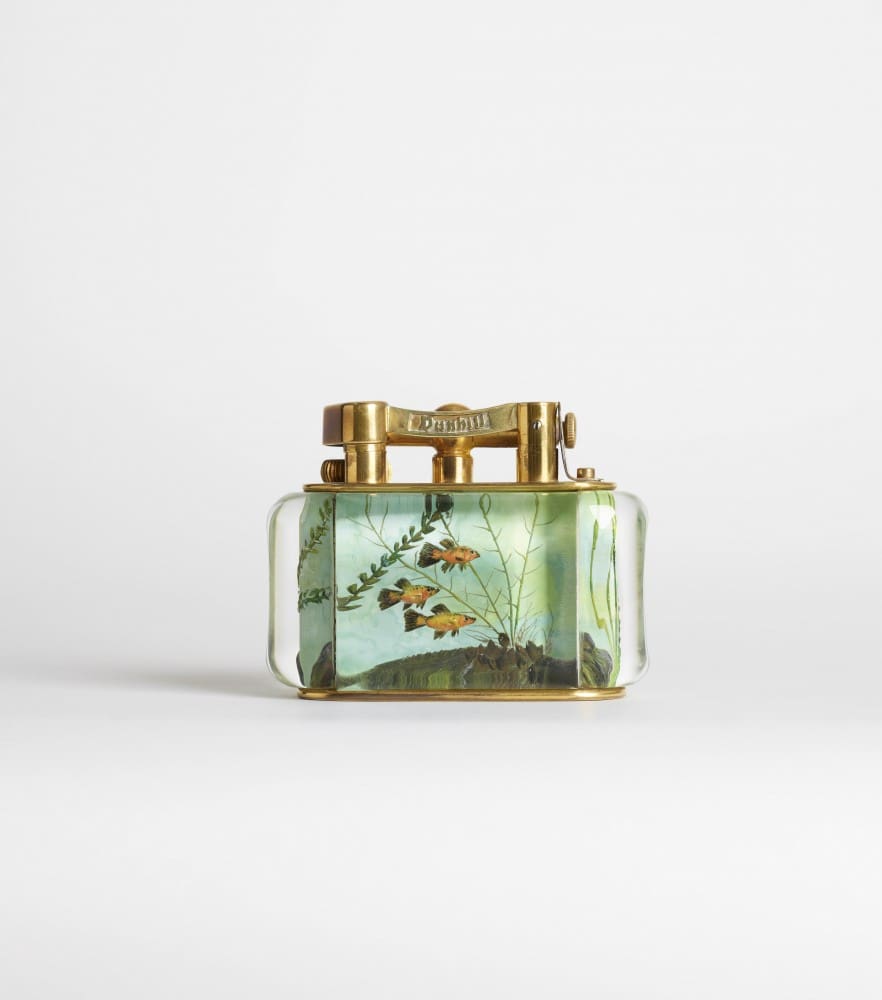

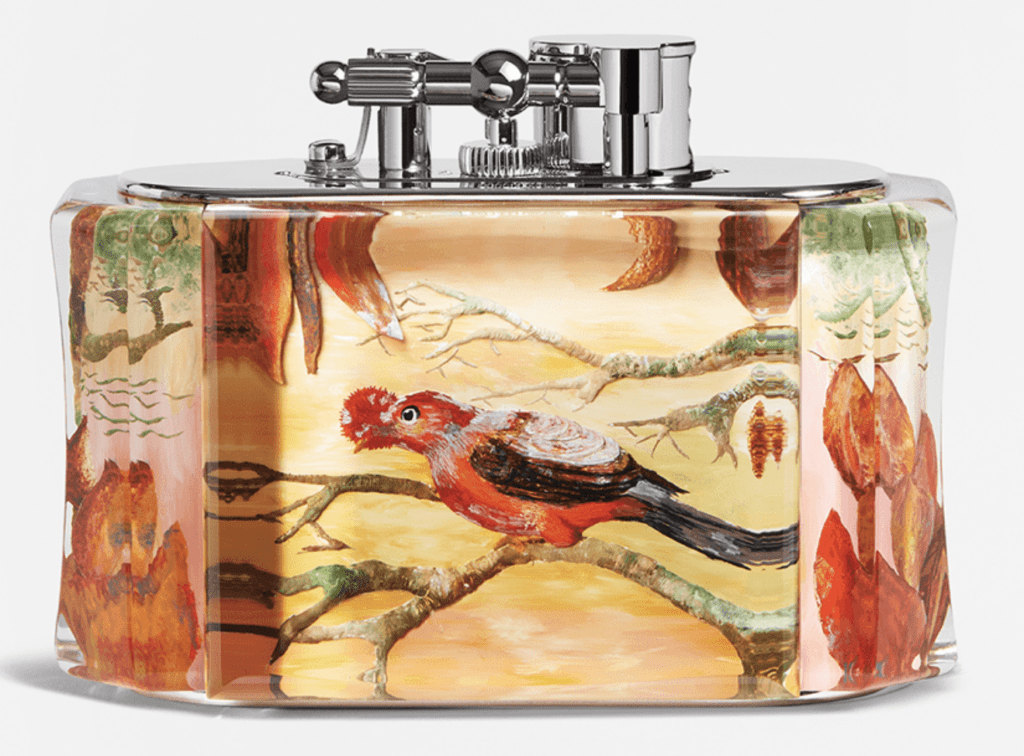
dunhill’s original Aquarium lighter was first designed between 1950 and 1959. It’s one of their most unique and artistic pieces. Each Aquarium was one-of-a-kind. The panels were carved and painted inside with a special technique called intaglio. They usually showed pictures of fish or flowers. The name Aquarium comes from how light shines through the carved acrylic and makes it look so deep and moving. The Aquarium English Garden Series continued that legacy with Dawn Moth, Grasshopper, and Dragonfly editions, each a narrative in acrylic panels and light. Each piece was hand-carved and painted in England.
Engineering Icons: The Rollagas (1956)
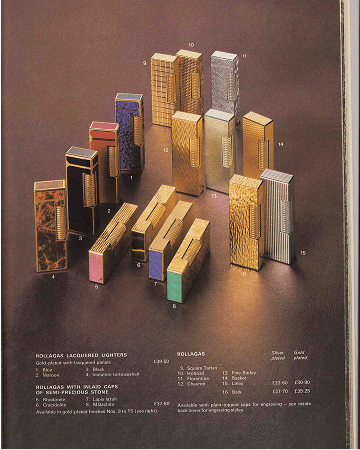
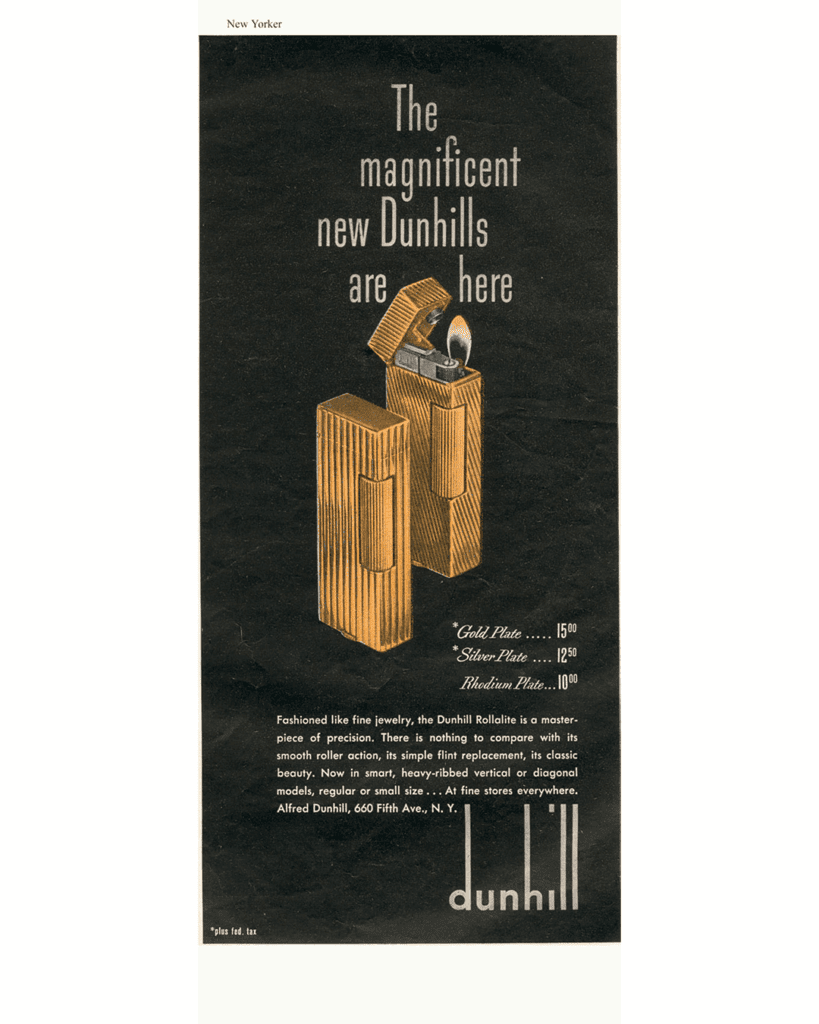
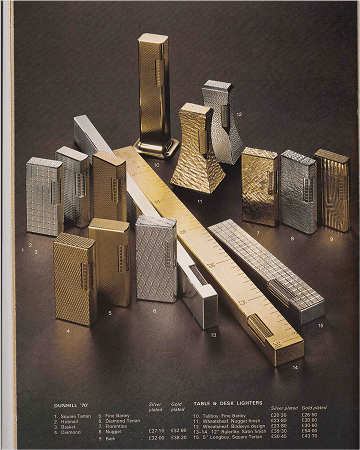
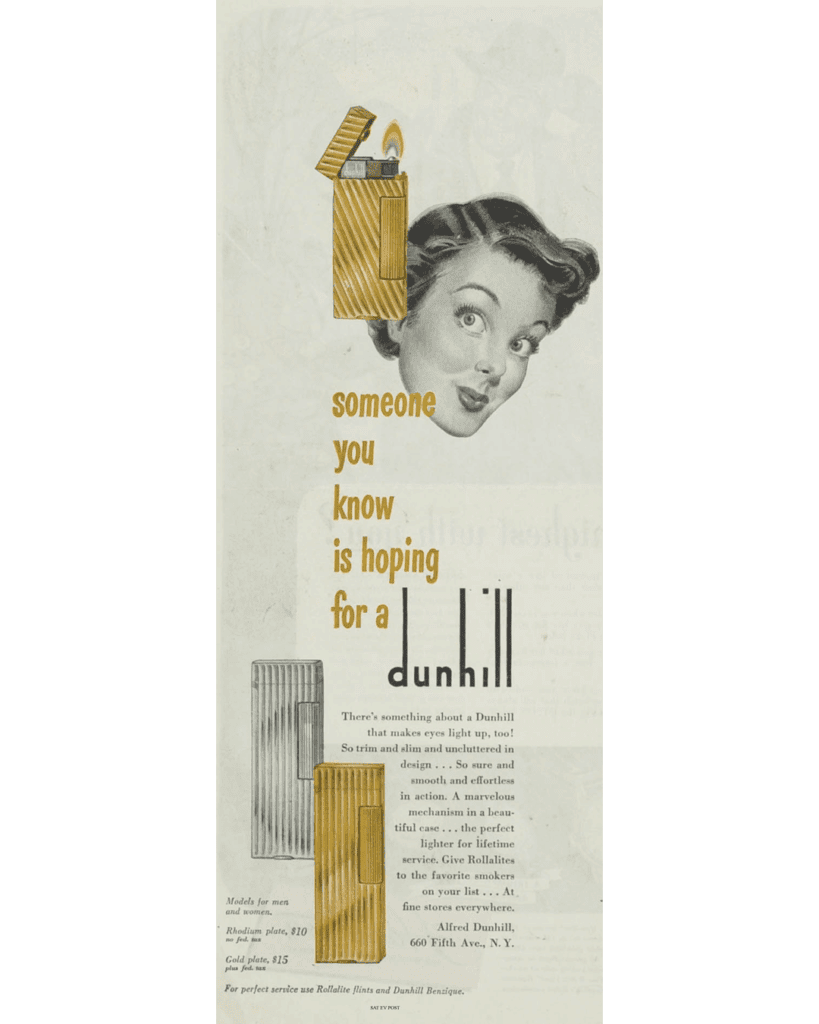
In 1956, Dunhill introduced the Rollagas lighter, which would become one of its most enduring innovations. Developed with Swiss engineer Conrad Zellweger of La Nationale SA, the Rollagas featured a concealed hinge (introduced in 1971), an adjustable flame, and a precision valve system built from over 80 components. This combination of performance and elegant design quickly made the Rollagas the preferred lighter of the world’s elite.

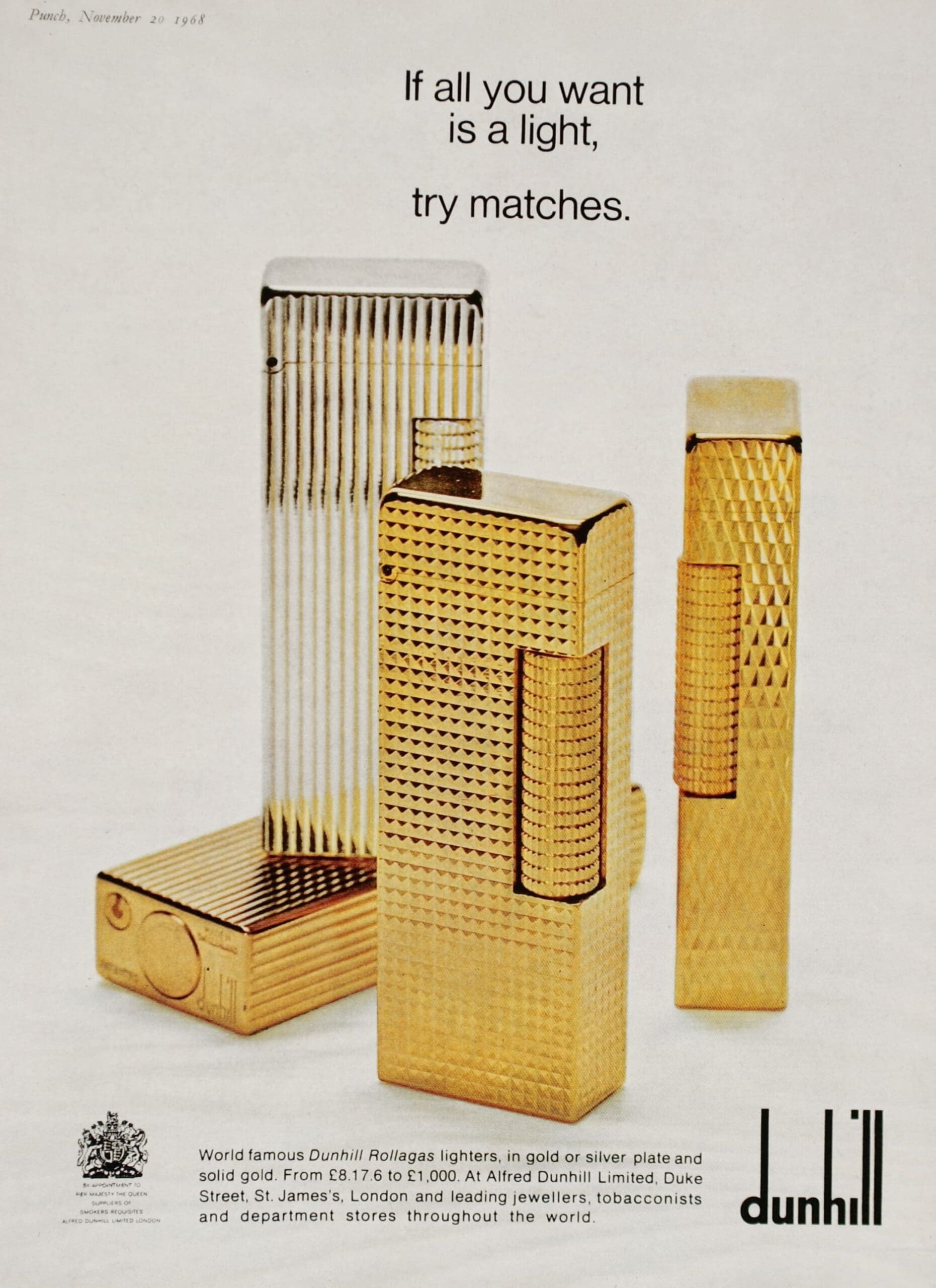
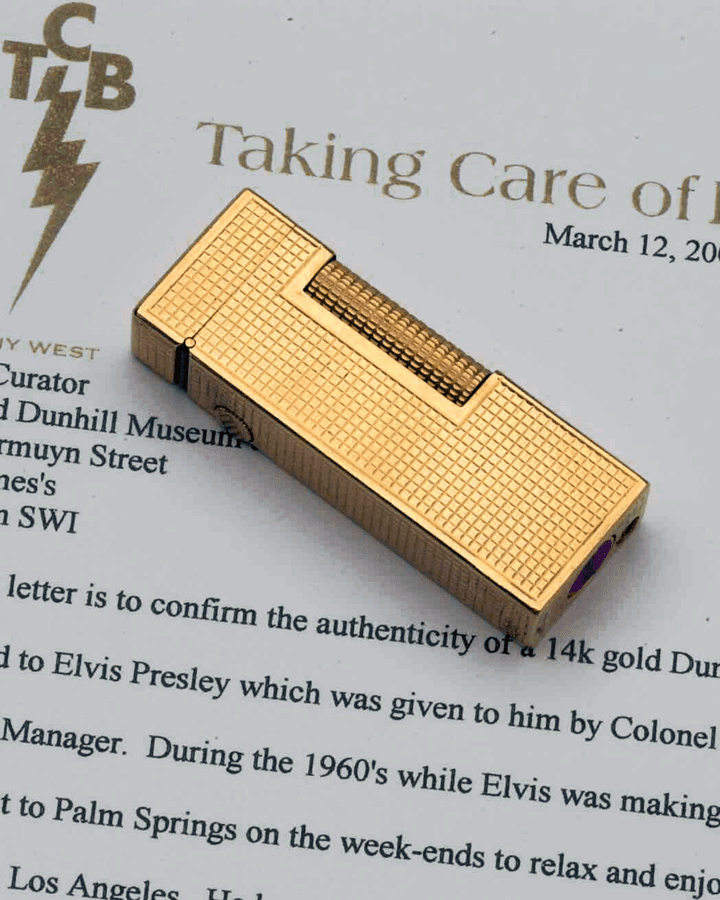
The Rollagas epitomized a new era of lighter engineering. A regulated butane delivery system ensured a consistent flame, regardless of climate or altitude. The finely knurled rolling thumbwheel facilitated smooth and confident ignition, while the seamless body, often crafted in lacquer or engine-turned brass, harmonized durability with refinement. Each element served both tactile and visual purposes. It became a fixture among cultural figures such as Ian Fleming and Elvis Presley, who owned a 14-carat gold edition.
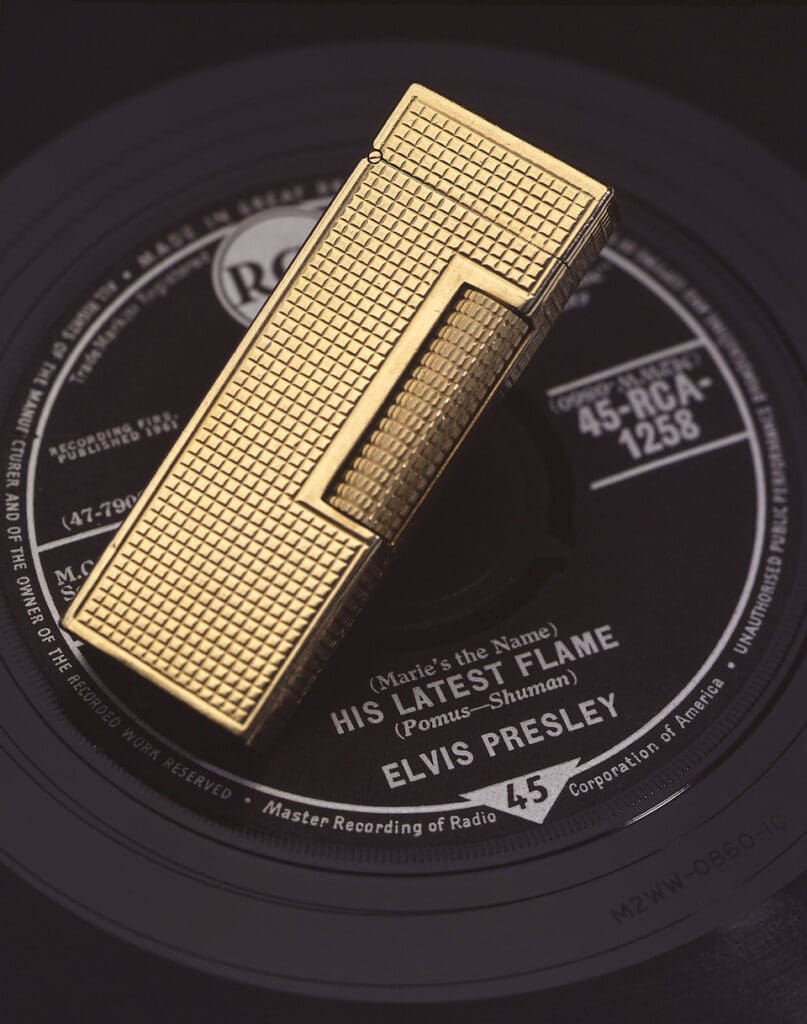
In 1959 dunhill released the Rollagas in Japan to immediate acclaim.
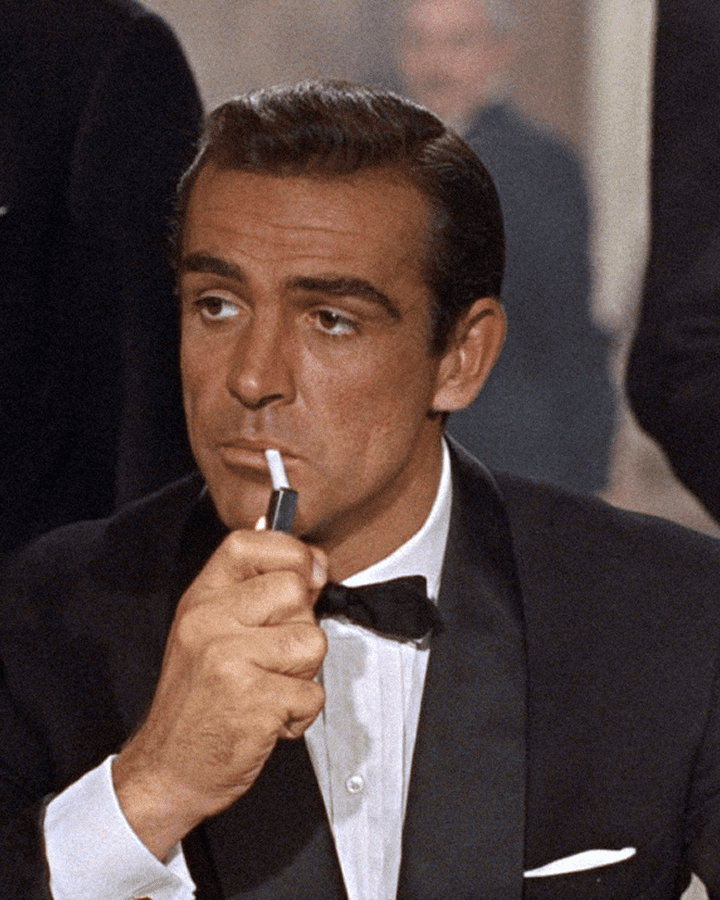
Rollagas’s cinematic appearances in Dr. No (1962) and The Man with the Golden Gun (1974) cemented its cultural status — a piece of craftsmanship woven into pop culture.
Refinement & Evolution (1960s–1990s)
In 1985, the Unique lighter got a modern makeover. It had dual-wheel ignition, fluted finishes, and gas refinement, which made it even better than before. But it still looked just like the original design. It became both a practical tool and a collectible, loved for its clear purpose.
Contemporary Expressions: Turbo
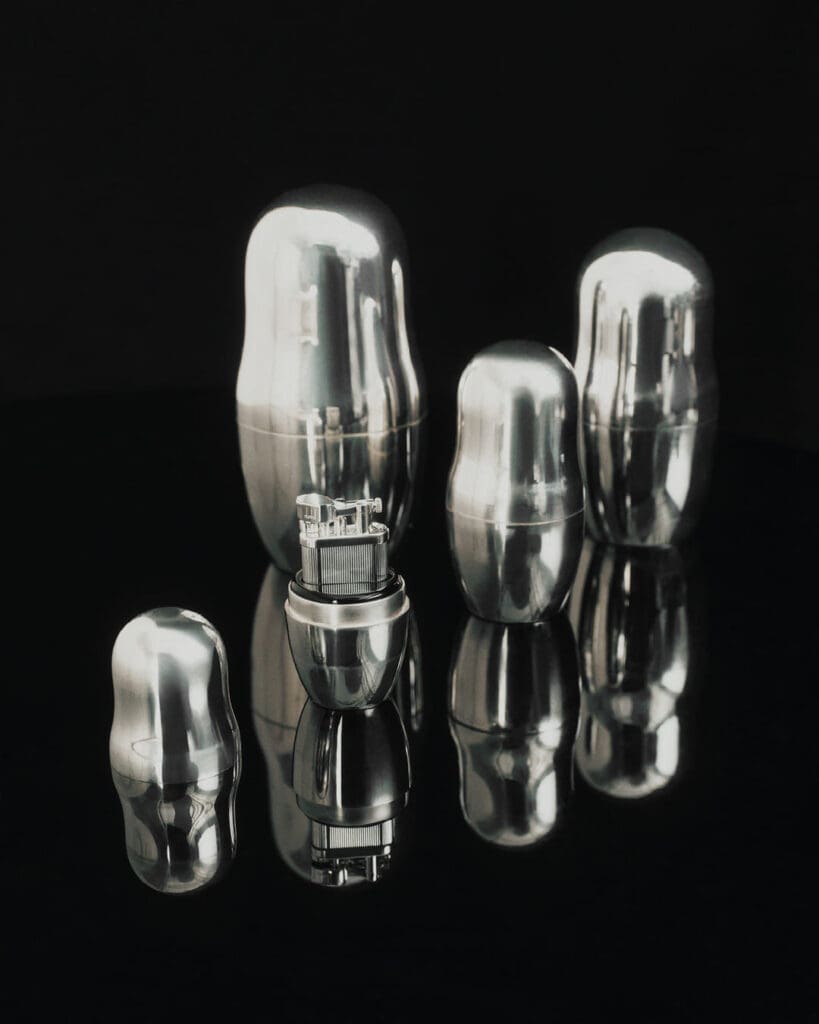
The Turbo lighter, inspired by the 1927 Unique Sports Lighter, gave it a modern twist. With its wind-resistant jet flame, piezoelectric ignition, and seasonal lacquer finishes, it blended classic dunhill engineering with modern technical precision.
Compendium
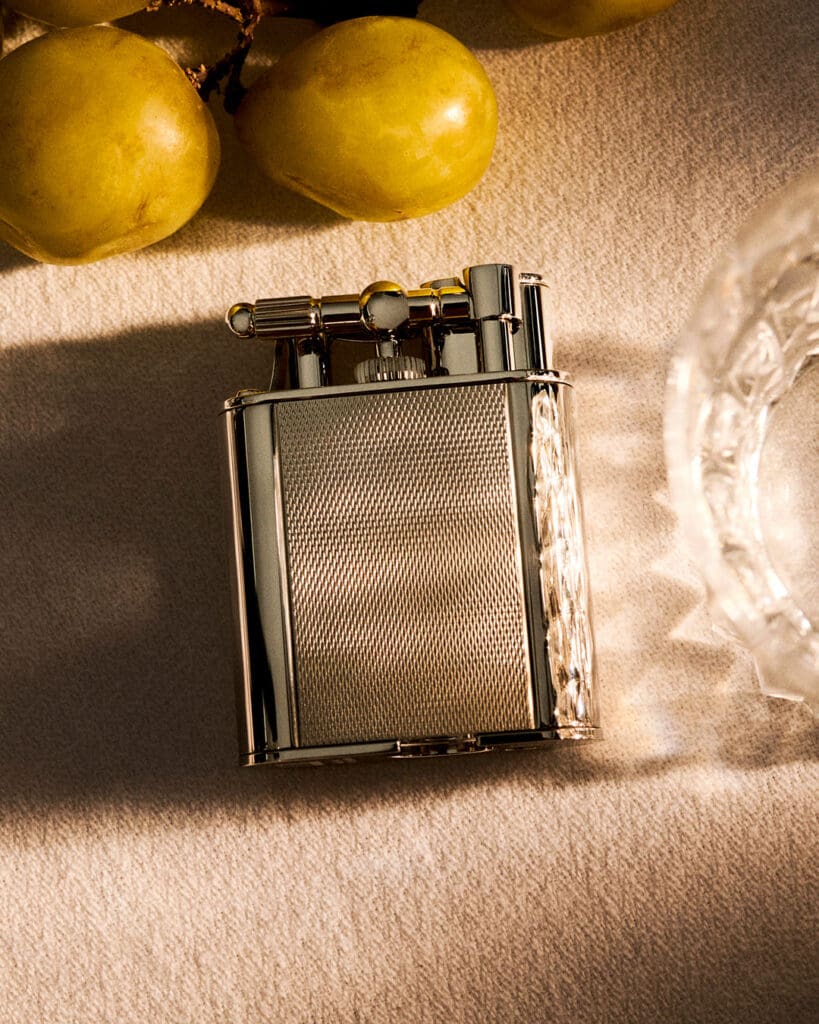
Reviving an archival design with a contemporary twist, the new Compendium Turbo Lighter embodies the refined functional elegance of Dunhill. It features a secondary function, available as a removable reed-pattern cigar cutter or an inbuilt ashtray, showcasing the thoughtful practicality of this design. Inspired by a mid-century archival piece, the Compendium strikes a perfect balance between purpose and poise, exuding a tactile and weighty feel in the hand.


The Ritual of Use
Every Dunhill lighter is meticulously crafted to be operated with one hand, adhering to Alfred Dunhill’s original vision of practical luxury. The Rollagas, for instance, demands only three effortless steps: lifting the cap, rotating the roller, and igniting with a crisp snap. The Unique follows suit, requiring only a simple lift of the cap and a spark from the flint wheel for a seamless ignition. The Turbo, designed for contemporary needs, incorporates a lock and cap mechanism, followed by a lever ignition with adjustable flame height. Each model offers precise control, with a D-ring or slotted valve typically calibrating the flame to an ideal 25 mm—subtle, elegant, and efficient.
Heirlooms & Aftercare
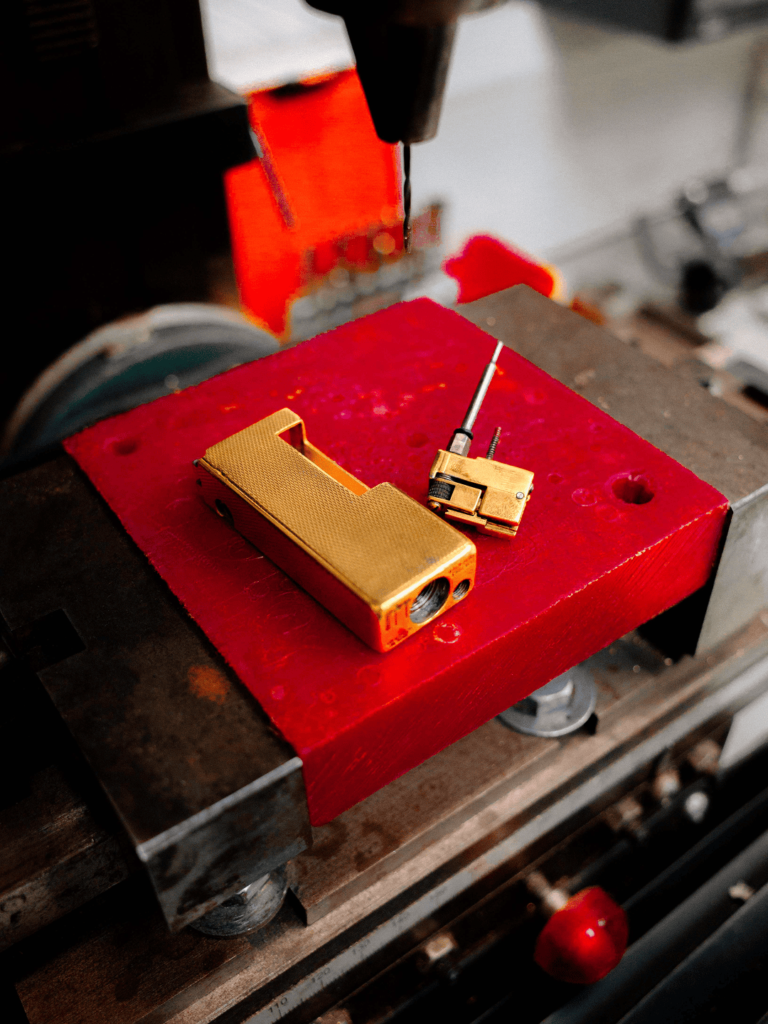
dunhill lighters are engineered to endure, and their servicing process ensures they do. Each service includes leak testing, full disassembly, component replacement, ultrasonic cleaning, precision reassembly, flame calibration, polishing, and presentation packaging – ensuring your lighter is ready to ignite the next spark of history.
To maintain optimal performance and character, it is recommended to use only dunhill flints and gas – red for Rollagas and blue for Unique. Lacquered finishes should be treated gently, with light surface wear often enhancing the piece’s unique patina. A soft chamois cloth helps retain lustre, while a nylon brush can remove any carbon build-up. Refilling should be done with the lighter inverted, allowing the gas to settle correctly. Regular servicing ensures each lighter performs flawlessly – and lasts for generations.
Promotional content – If you purchase or book via one of our links, Luxe-Edit.com may earn a commission.